Body Composition in UK Population
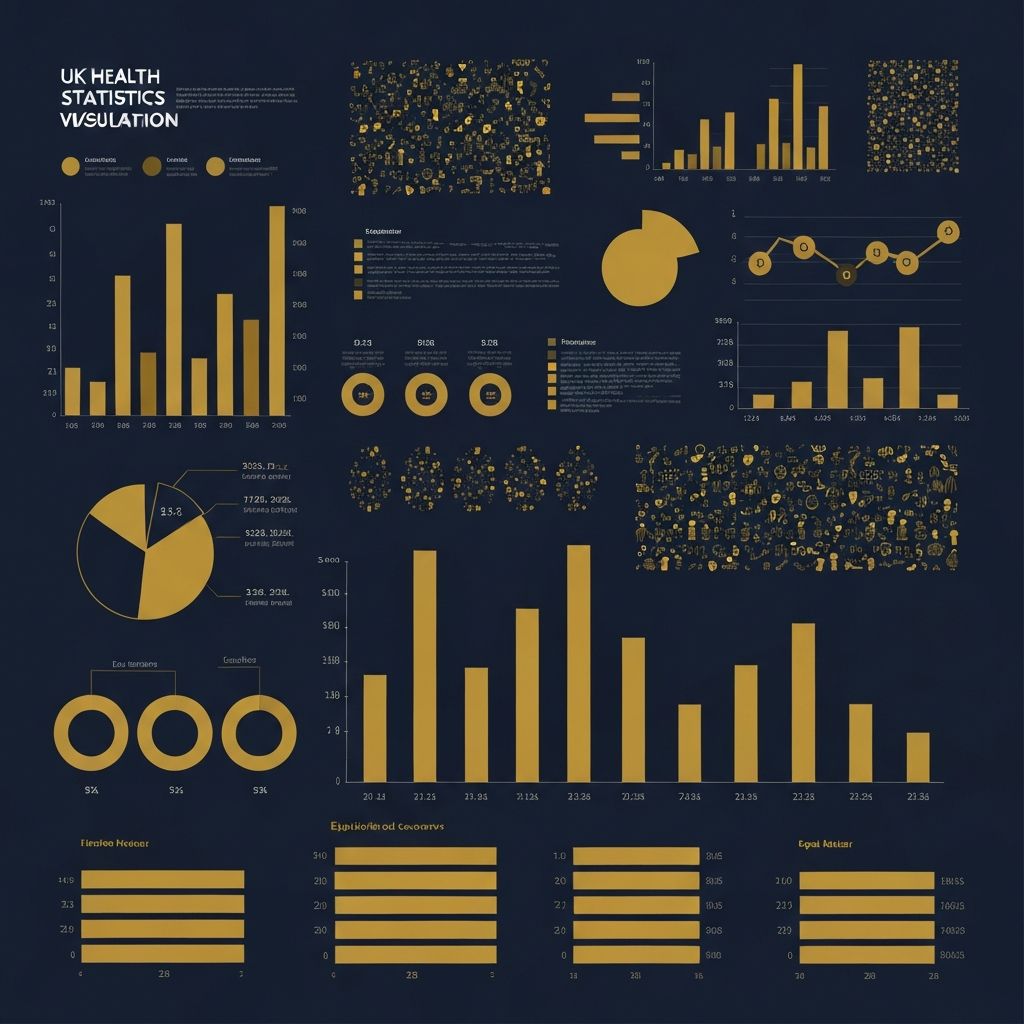
Population-Level Observations
Population-level research provides observational data on how body composition markers vary across demographic groups in the United Kingdom. These studies document associations without implying causation or providing individual recommendations.
Body Composition Distribution
UK health surveys including the Health Survey for England document wide variation in body composition markers across the population. Body mass index, body fat percentage, and other composition measures show substantial distribution across age groups, sexes, and demographic categories.
This population variation reflects the influence of multiple factors including genetic diversity, lifestyle patterns, dietary practices, and activity levels across the UK population.
Trends Over Time
Long-term population trends in the UK have documented shifts in body composition markers at the population level across recent decades. These trends reflect complex changes in food environments, activity patterns, and other societal factors.
However, population-level trends do not predict individual trajectories, as individuals within populations show diverse responses to identical environmental changes.
Demographic Variation
Body composition markers vary across demographic groups including by age, sex, ethnic background, and socioeconomic status. Research documents these population differences without attributing them to individual characteristics or providing guidance for specific groups.
Understanding population diversity is important context for recognising that body composition involves complex inheritance of genetic, environmental, and lifestyle factors.
Associated Factors
Population research identifies associations between body composition markers and various factors including activity patterns, dietary composition, socioeconomic factors, and health outcomes. These associations describe population-level patterns without determining causation or predicting individual outcomes.
The complexity of these associations reflects the multifactorial nature of body composition regulation.
Research Limitations
Population-level data provides important context but has inherent limitations for understanding individual variation. Individual outcomes depend on complex interactions of factors that cannot be precisely predicted from population statistics.